
 Literacy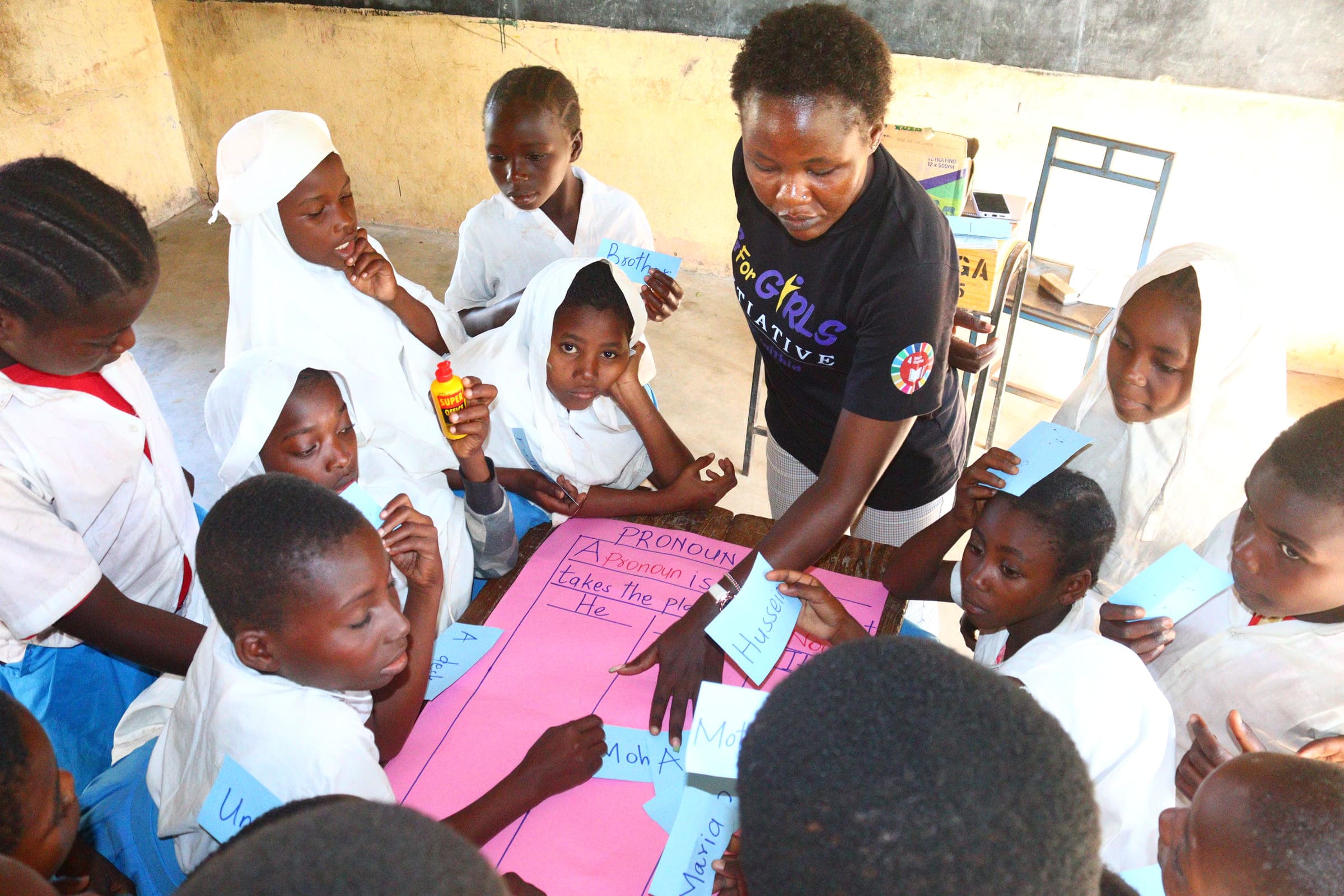
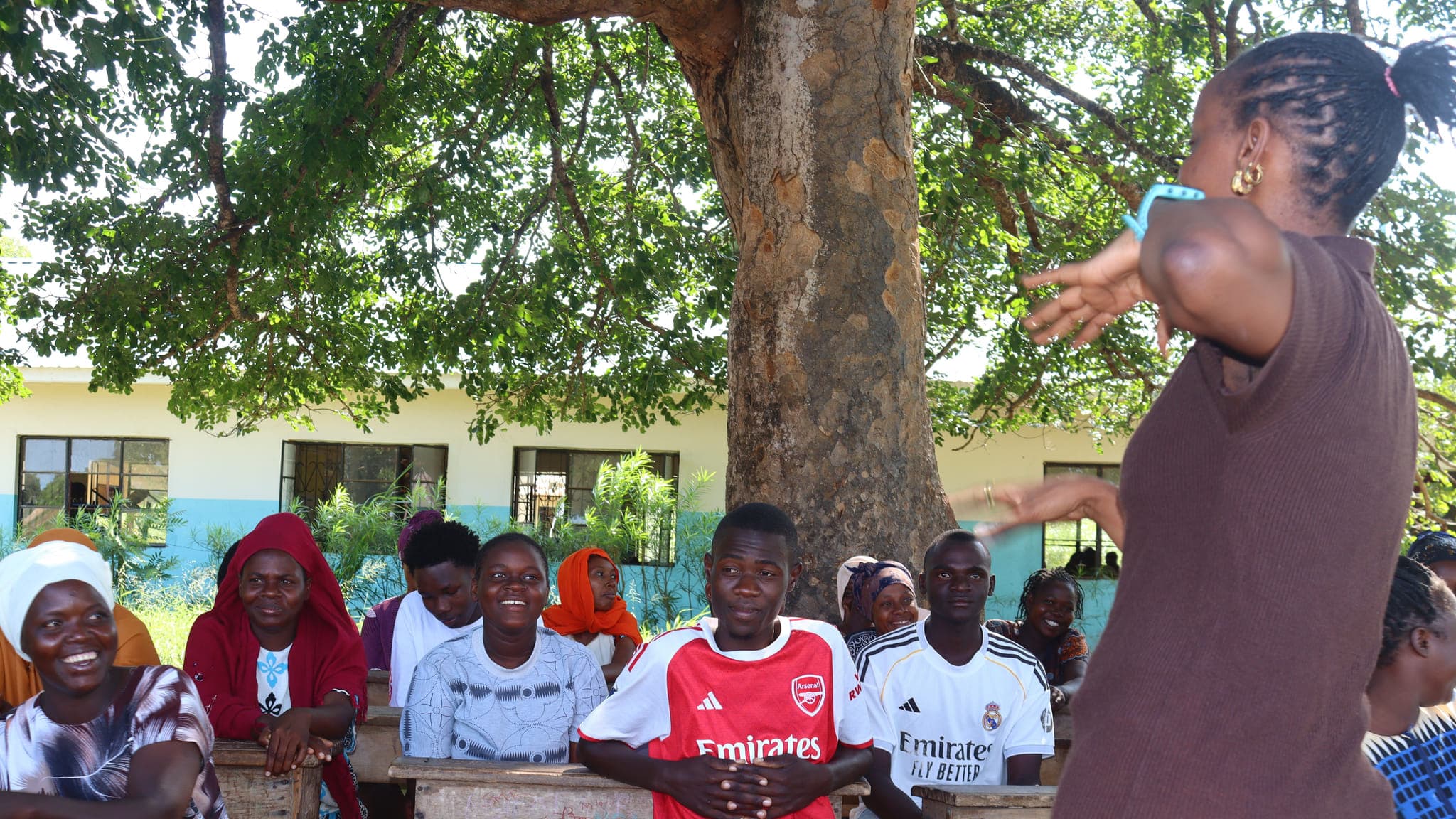
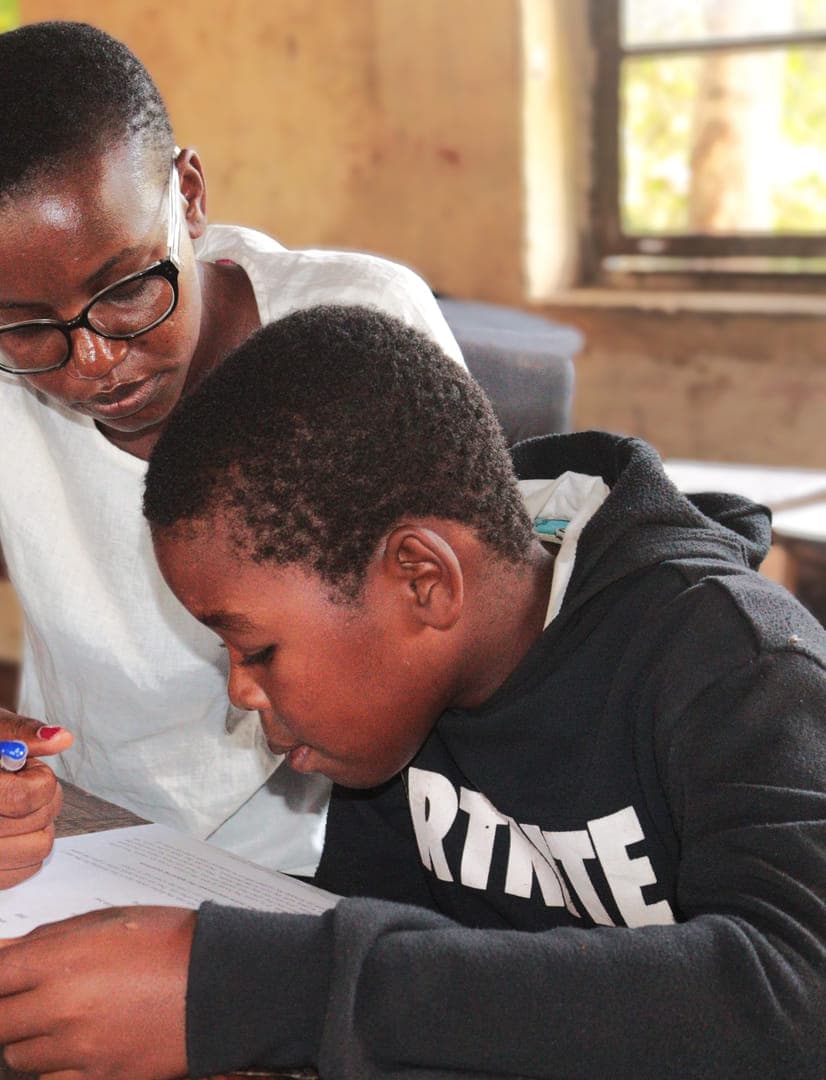
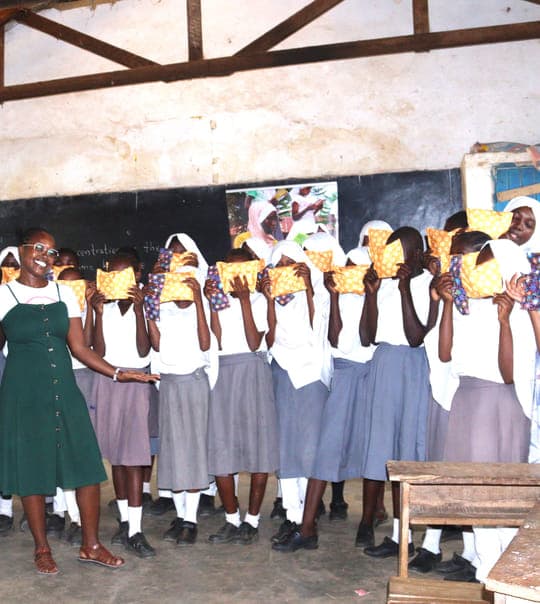
G for Girls Initiative is a community-based organisation founded in 2022 by 15 young women from Vanga ward, Lunga Lunga sub-county. We began with one goal — that no girl would drop out between primary and secondary school — and we have grown alongside the learners we serve.

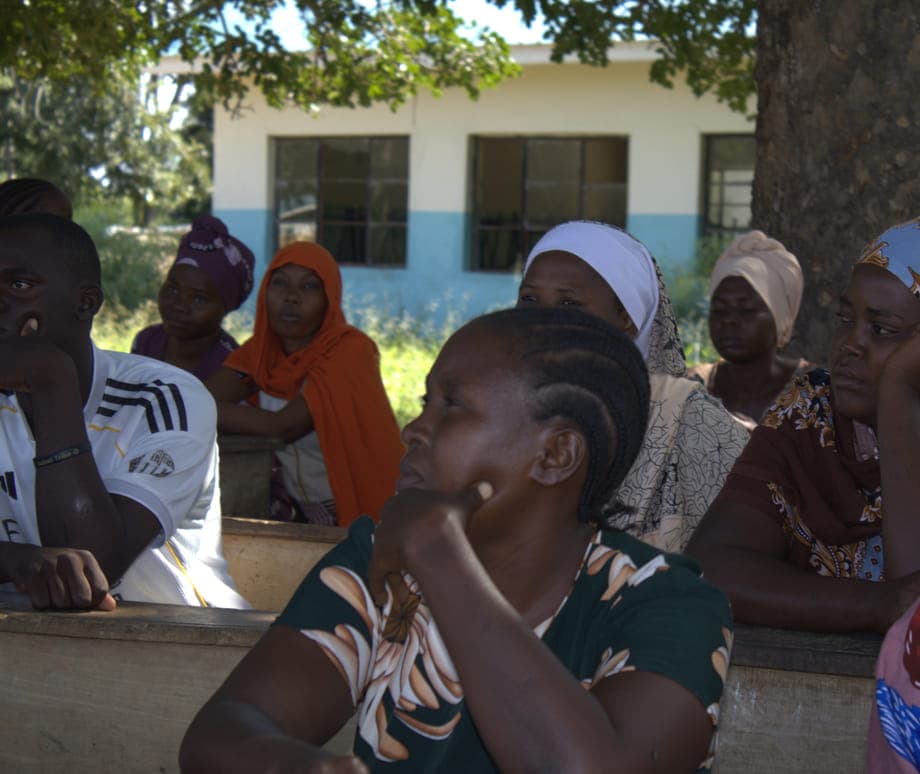
Our founders, champions and volunteers come from Vanga. Our gender policy commits us to consulting the people our programmes affect, and to building those programmes with communities rather than for them.

We work under a safeguarding policy and a policy on protection from sexual exploitation and abuse. Challenging gender norms can cause unintended harm, so participant safety comes before every other consideration.

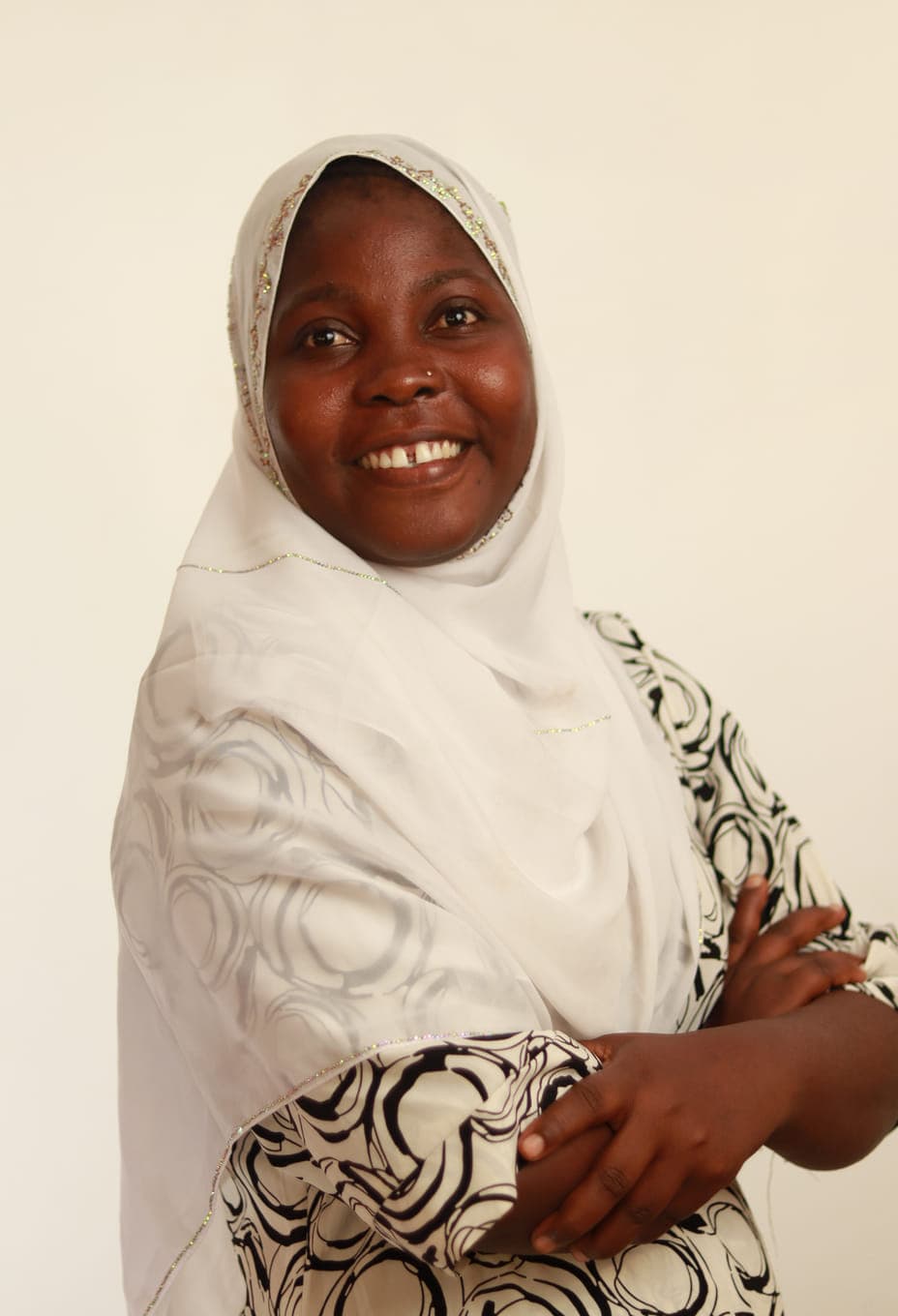
Priscah Mongera
Founder & Executive Director
GGI was founded to close one gap — girls dropping out between primary and secondary school in Lunga Lunga. Everything we run traces back to that, and to the commitments we have put in writing.

To create safe spaces that foster girls' education through advocacy, mentorship, and the provision of technical skills.

To narrow the gender gap in education by inspiring a community of leaders who are agents of sustainable change.

Equality and non-discrimination, intersectionality, locally-led participation, do no harm, and collaboration — the five commitments written into our Gender Policy 2024–2028.
200+
Young people trained since 2022
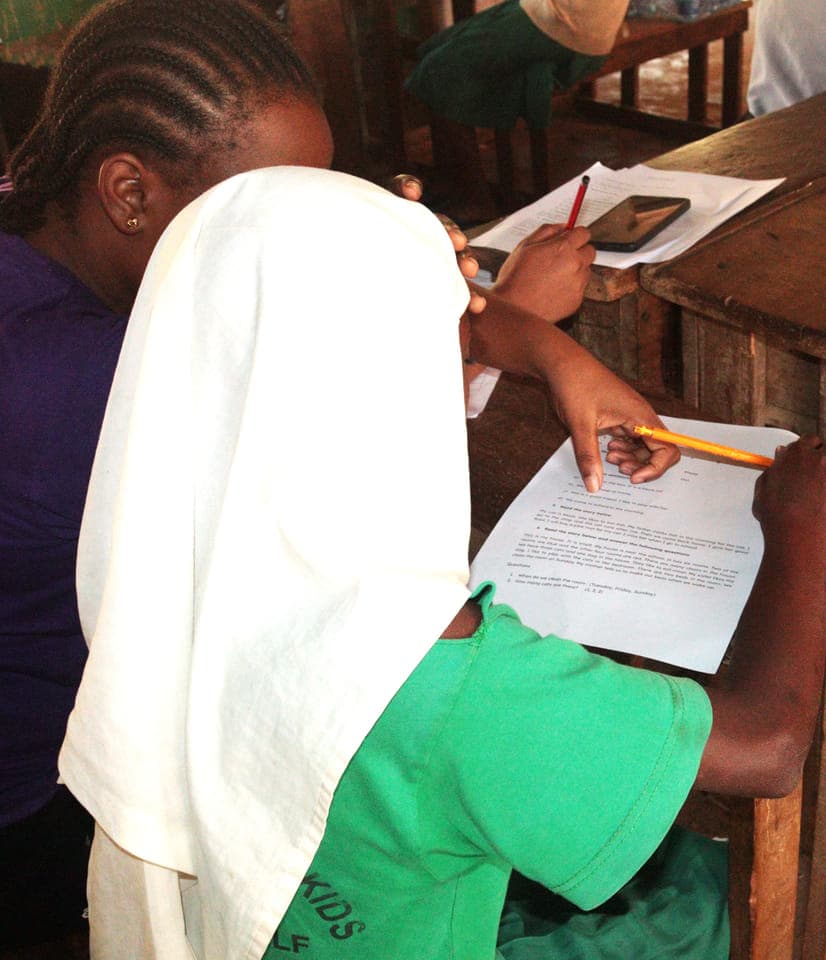
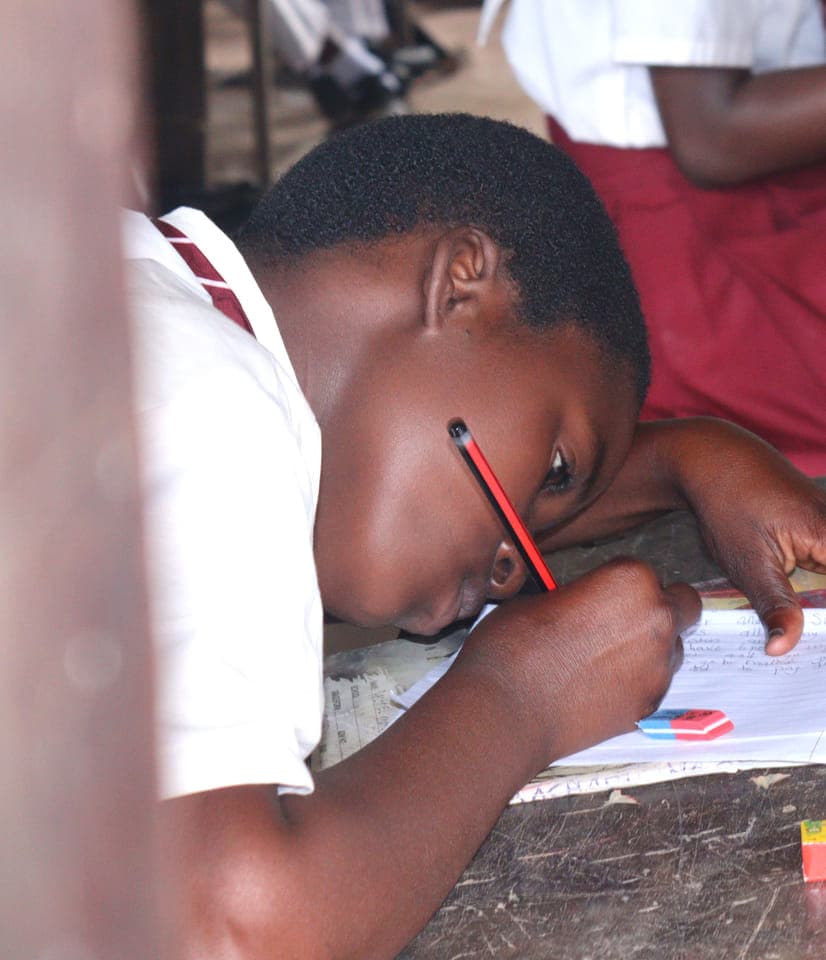
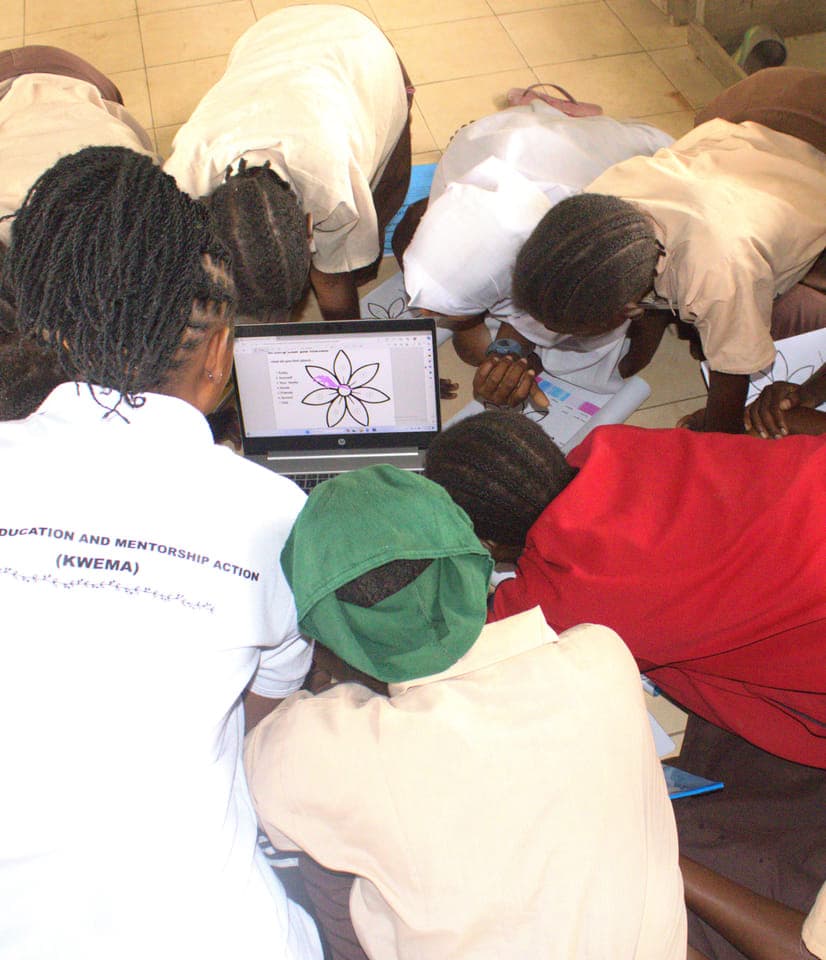
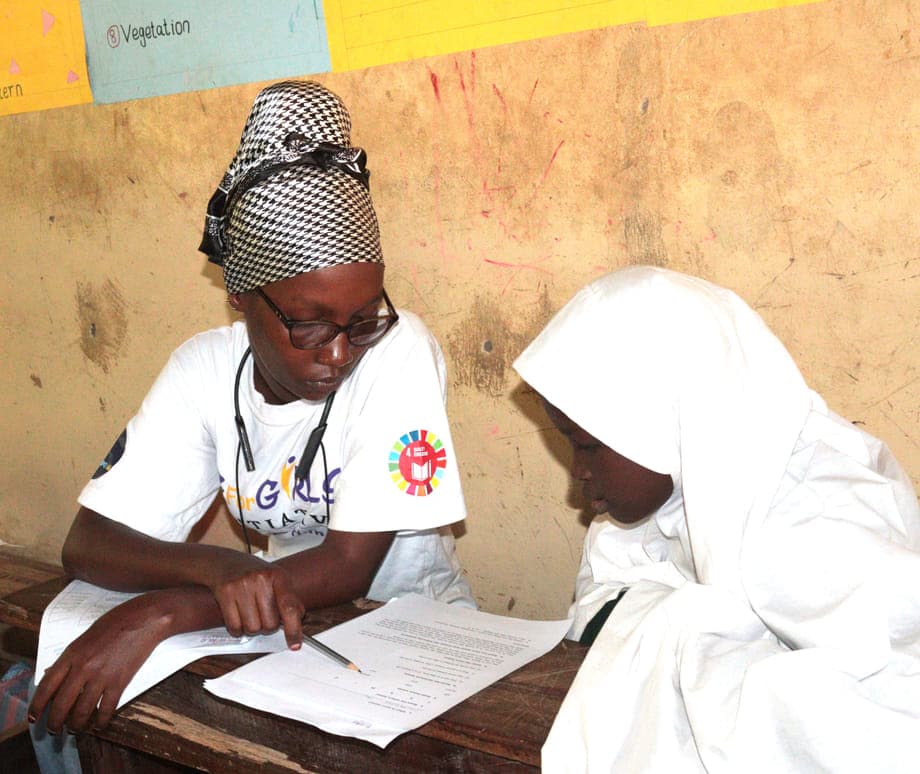
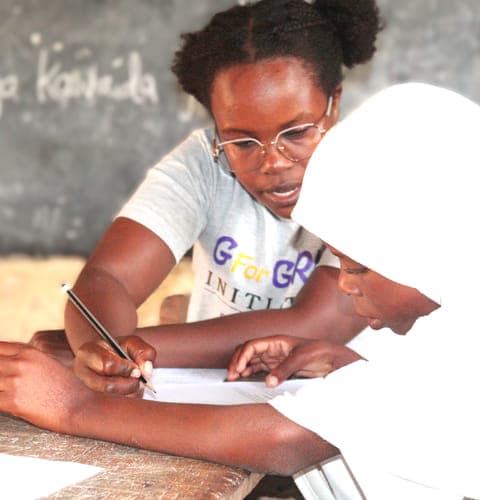
Assessment is built into the programme rather than added at the end. Learners are assessed at the midpoint and again at the close of every camp, which tells teachers how to keep supporting them once we have gone.
These are the conditions our programmes were designed around. They come from the schools and families we work with every day.
Support this workLiteracy Expectations
 Safety
Bring KWEMA to your school, or campaign with us. Get in touch
Our Gender Policy 2024–2028 came out of an independent assessment of the CBO, training from the SBC consultancy through the Mastercard Foundation, and consultation with our members, advisory board, staff and champions.
All genders benefit from our policies, programmes and activities, with deliberate steps to include those facing multiple, intersecting barriers.
Age, ethnicity, economic status, disability and place of origin all shape a person's experience. We account for how those identities collide.
We consult our members and everyone our programmes affect, and commit to gender balance in staffing, activities and evaluation.

Dismantling gender norms carries risk. We consult every community we work with and put participant safety and protection above all else.

Gender inequality is not ours to solve alone. We work with government, the private sector, civil society, researchers and individuals.

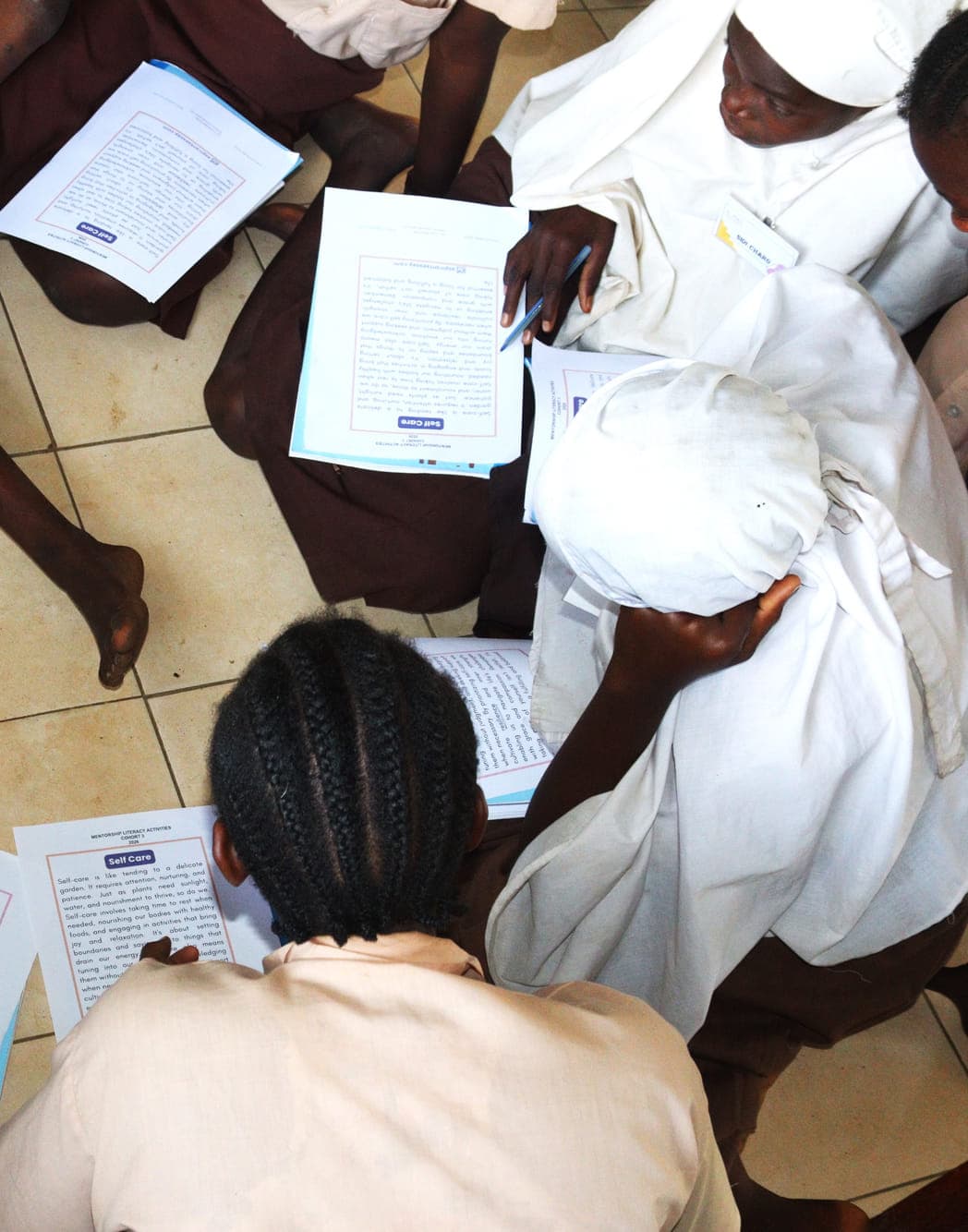
Grade 4 literacy camps and Grade 7 mentorship run in all five.

Equipped with policy advocacy skills through GGI na Vijanaa since 2022.

Learners moving up at least one literacy level during a camp.
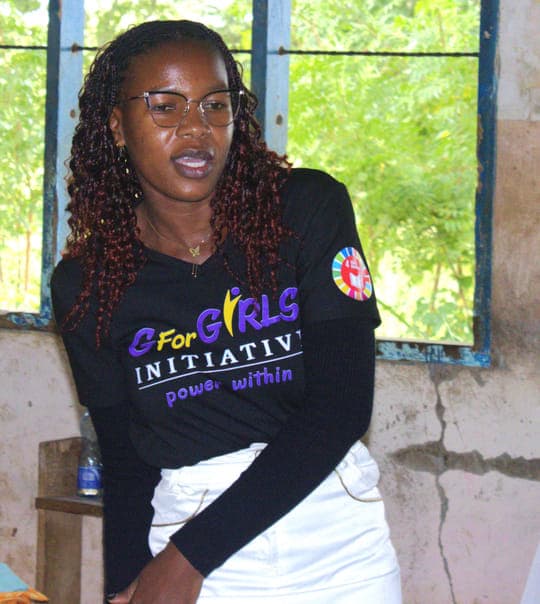
GGI is run by a small team from the community it serves, supported by teachers, community champions and young volunteers trained on safeguarding and child protection.
Work with us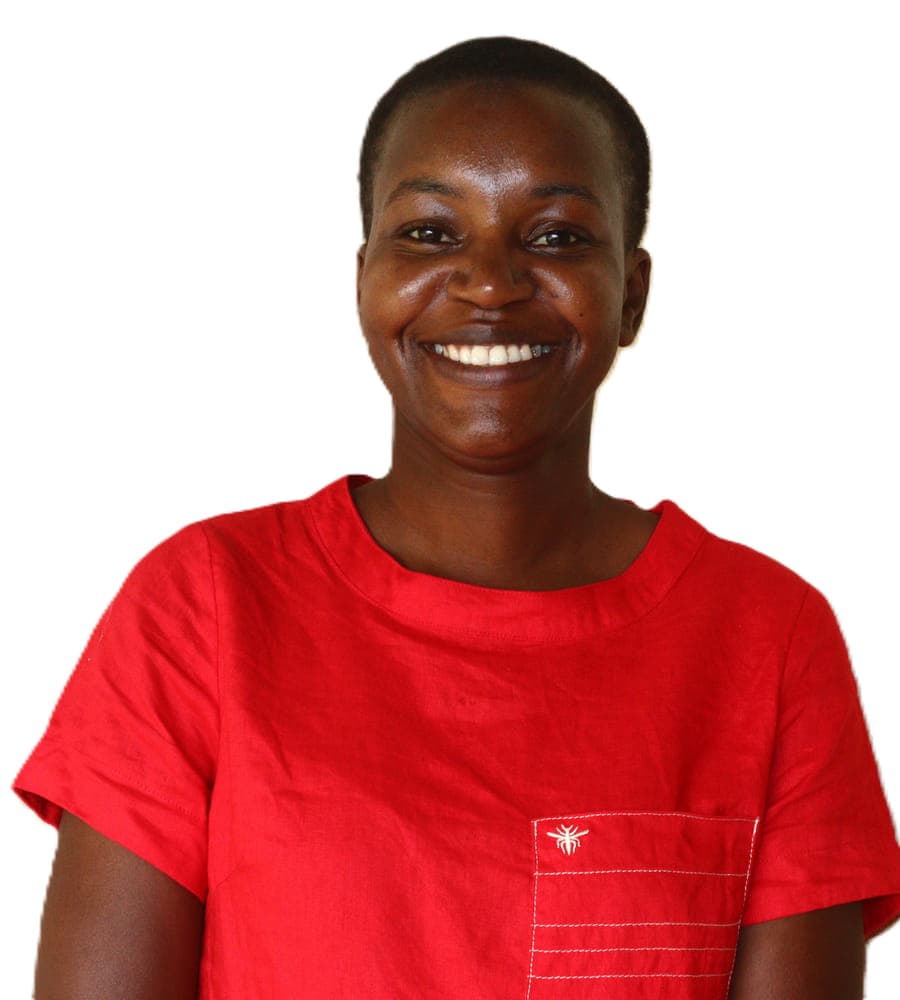
Founder & Executive Director
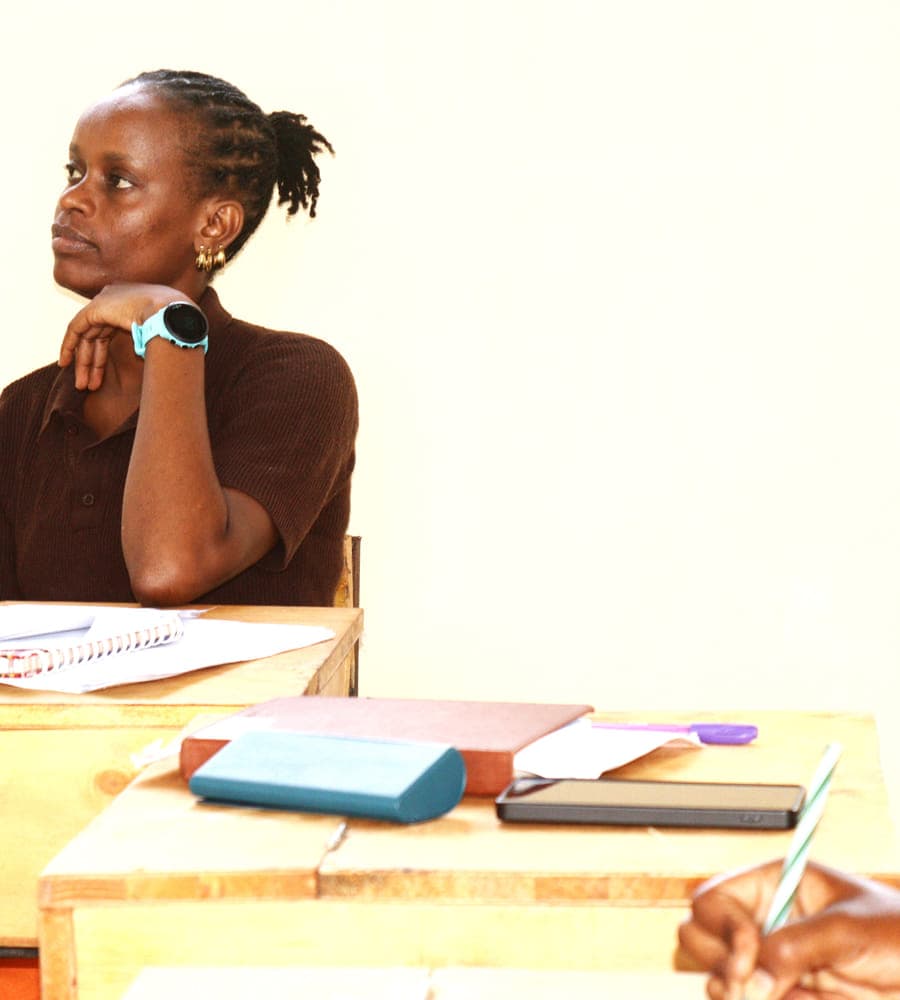
Founder & Policy Advocacy and Communications Manager
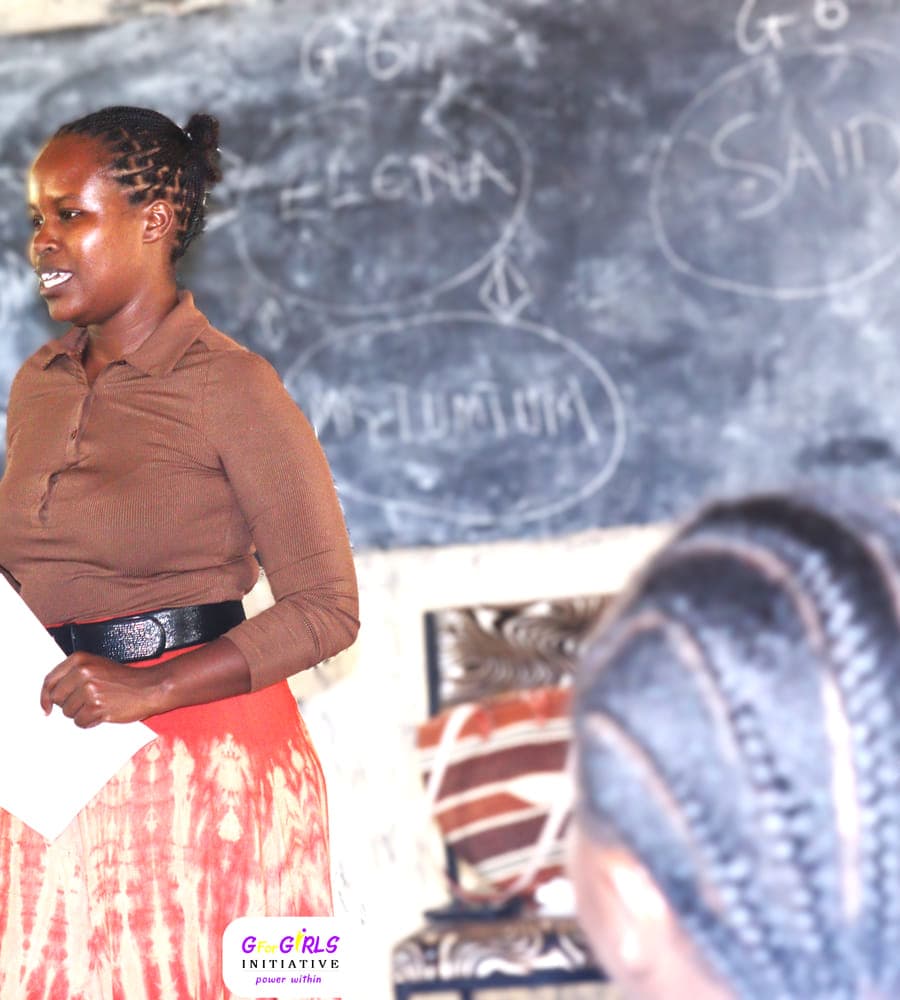
Programs Manager
Project Accountant
Project Officer
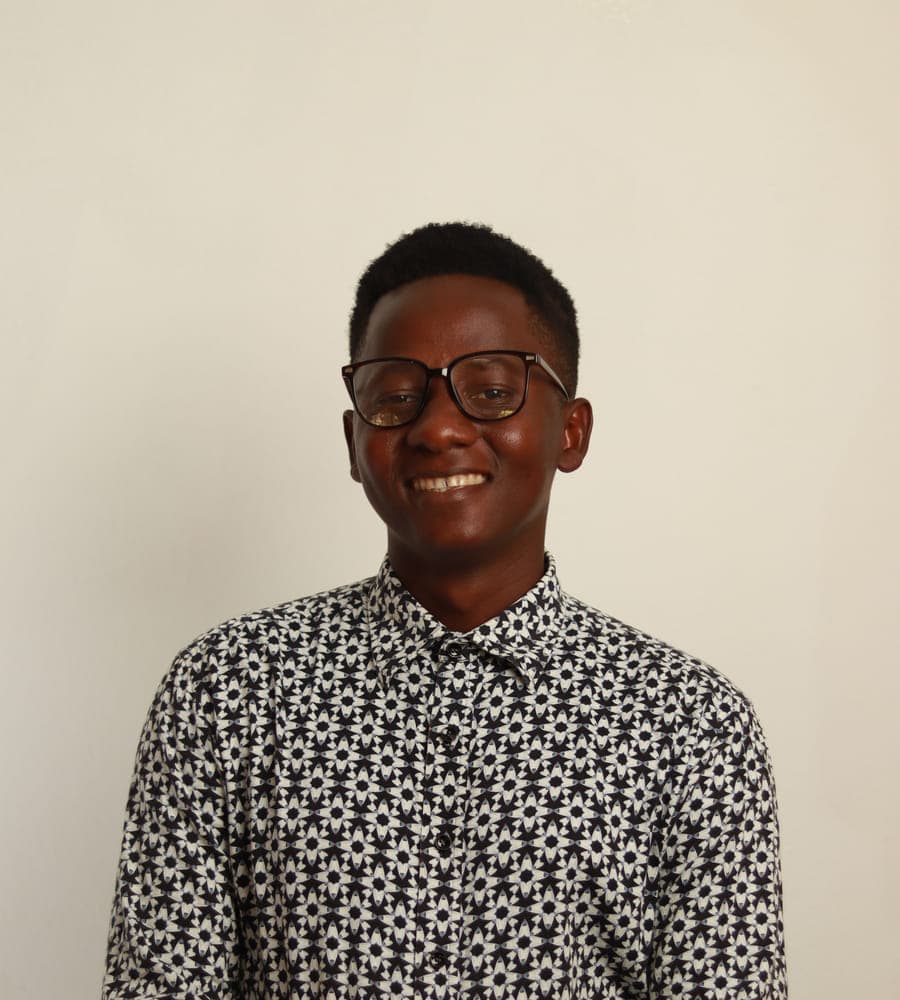
Communications Assistant
Every contribution helps run literacy camps, mentorship sessions and safeguarding referrals in the five schools we work with.
Funds sit in the CBO's bank account with committee signatories. The annual report, financial statement and budget are presented to members and adopted at our AGM each December.
Registered CBO